
Cashback credit forms and game contribution rules
Cashback frequency is a decision, not a bonus label. Two very different cashback offers can share the same summary percentage: one pays out once after a single promotion, the other returns a share of losses on a fixed weekly or monthly schedule. Choose by payout rhythm and by what triggers it. A weekly offer suits a regular player who loses steadily; a monthly or tier-based loyalty offer suits someone whose balance swings between deposit and loss. Before relying on either, establish the crediting day, the qualifying period and whether the credited cashback carries wagering. A hypothetical example makes this concrete: if an offer returns 10% of net losses and you lose £50 over the qualifying week, the cashback is £5, but if wagering applies before withdrawal, the £5 is not immediately spendable.
the operator-off promotional cashback versus recurring offers
A one-off promotional cashback is a reward for a specific event; a recurring cashback is a scheduled rebate on a rolling loss window. The first is tied to a trigger and a deadline, the second to a period and a cycle. You cannot transfer the logic of one to the other: a promotional drop may not appear again, while a recurring payout repeats until the operator changes or suspends the terms.
How a promotional cashback is structured
Promotional cashback is attached to a named campaign. The operator defines the qualifying window, the qualifying games, the minimum loss that unlocks the rebate and the expiry of the credited funds. The window might be a single day, a weekend or a fixed number of hours. Losses made outside it do not count, even if they happen within the same week. Take a worked example: if a bonus rules campaign awards 5% on losses above £100 over a 24-hour period and you lose £100, the rebate is nil; lose £200 and the rebate is £5. The rebate itself may be a cash credit or a bonus token, and the two behave differently on withdrawal.
How a recurring cashback is structured
Recurring cashback runs on a calendar rhythm, typically weekly or monthly. Losses accumulate across the whole window and settle at the end of it. Because the window closes only once, timing matters: a large loss two days before the cut-off counts the same as one on the final day, but a loss after the cut-off rolls into the next cycle. The payout may sit in a tiered loyalty structure, so the same loss earns different amounts at different statuses.
Choosing between them
The deciding question is predictability. Recurring cashback gives a steady, repeatable offset and a simpler expectation to plan around. A one-off promotional cashback can be a larger single payment, but it demands that you identify the window, the qualifying games and the expiry before playing. If you lose money on a game excluded from the campaign, the rebate does not exist. Check the conditions, locate the window and check whether the rebate is cash or bonus credit before players place the bet.
Welcome bonus wagering requirements typically range from 30x to 40x the bonus’s amount.
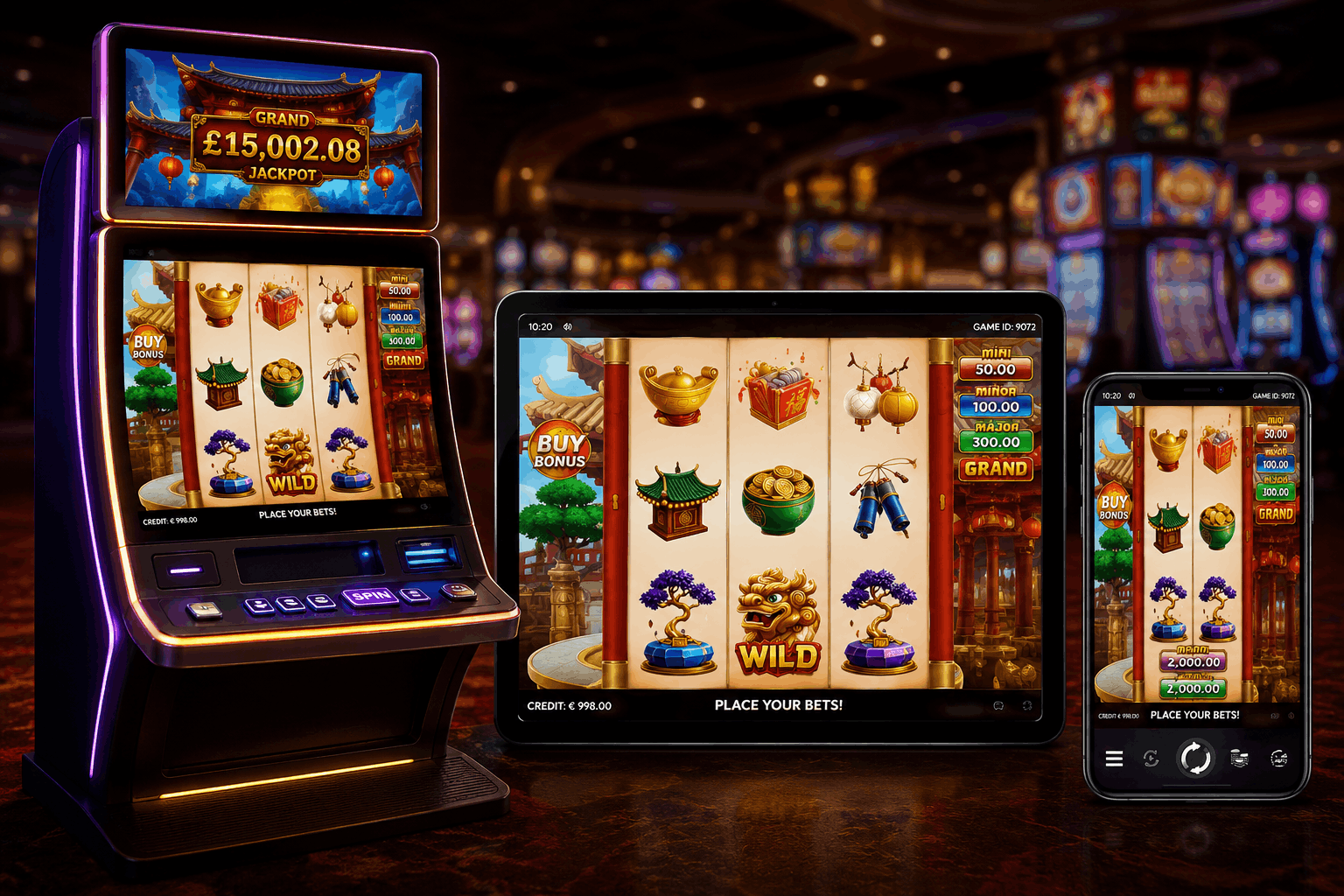
Operator comparison: games, payments
Bingo Crazy and Copslots raise different questions here, from game selection to operator profile.
| Brand | Details |
|---|---|
| bingo crazy | Offers slots, roulette, blackjack, live casino games; no sports betting. |
| copslots | CoPslots is an online casino brand operating under the UK market. |
| Tarafbet | Crypto-linked offers; variable validity based on payment method. |
| Millioner | Unconfirmed welcome terms; high risk of discretionary restrictions. |
| Bdmbet | Unconfirmed free spins; likely subject to game-specific win caps. |
The detail above applies specifically to Copslots.
bingo crazy: Access to games
Offers slots, roulette, blackjack, live casino games; no sports betting.
copslots: Website address
CoPslots is an online casino brand operating under the UK market.
Tarafbet Wagering Terms
Promotions at Tarafbet operate under Curaçao or similar offshore frameworks. Wagering requirements may be higher than industry norms, and game contribution rates often exclude table games. Verify the maximum bet limit per spin to avoid voiding winnings.
Millioner Offer Conditions
Welcome incentives at Millioner are not reliably published. If an offer exists, it likely operates outside regulated frameworks, meaning cash-out limits and expiry dates vary by operator discretion. Confirm specific conditions directly on the site interface.
Bdmbet Spin Restrictions
Free spins at Bdmbet remain unverified. When such promotions exist, they typically restrict usage to specific slot titles with capped max-win amounts. Review the restricted games list to ensure preferred titles contribute toward wagering goals.
the operator and loyalty cashback: how the tier changes the payout
Operator offers versus loyalty tiers
Operator cashback and loyalty cashback work from different triggers. An operator offer usually arrives as a one-off promotion or a recurring campaign tied to a stated condition — a deposit, a minimum stake, or a period of play. It is available to anyone who satisfies that condition, regardless of how long they have played. A loyalty or VIP cashback, by contrast, is built on accumulated activity. It rewards a player’s position in the operator’s tier structure, and the payout rate typically rises as the tier rises.
The result is that the same loss can be refunded at different rates depending on which mechanism applies. A promotional cashback may return a fixed percentage of net losses over a set window, with no tier dependence. A loyalty cashback may apply a lower percentage to casual players and a higher one to top-tier members. The tier therefore changes both the amount and the certainty of the payout.
Why tiering shifts the effective rate
Tiering exists because operators price retention differently across player segments. The higher a player sits, the more the operator expects to pay in cashback to keep them active. This is why the payout rate is rarely uniform. A mid-tier player might receive a smaller percentage than a high-tier player, even for similar loss volumes. The difference is not a bonus on top of the same offer; it is a different offer altogether.
To work out where you stand, check the loyalty or VIP page instead of assuming a rate. Look for the tier name, the activity that earns progression, and the cashback percentage attached to each level. Progression rules matter as much as the rate: some schemes require sustained activity, others reset on inactivity. A tier that grants a higher rate but resets quickly may deliver less over time than a lower rate with a stable standing.
A worked example makes the arithmetic plain. Suppose an operator credits 5% cashback to a standard tier and 10% to a high tier. Net losses of £200 in the period produce £10 at the lower tier and £20 at the higher tier. The difference is not a small rounding adjustment — it doubles the refund. But it only applies if the player has met the activity requirement for that tier and kept it throughout the crediting period.
When the two mechanisms overlap, the operator’s terms usually state which takes precedence. If the operator applies both, they often stack, with the loyalty rate replacing the base promotional rate instead of adding to it. Read the specific wording before assuming the higher percentage is the one you will receive.
Millioner structures its promotions around a strict wagering requirement of 35 times the size of the bonus, which applies to both new sign-ups and returning players who claim reload offers. This multiplier dictates how much real money you must stake before any winnings become withdrawable. A critical constraint is the game weighting: slots contribute 100% towards clearing this threshold, while table games like blackjack or roulette typically contribute only 10% or are entirely excluded. Attempting to clear the requirement using low-weight games will significantly extend the time needed to unlock funds. Furthermore, the maximum cash-out limit for bonus-derived winnings is capped at £250, regardless of how large your initial deposit was.
Pokie spins casino house edge long term odds
When the money lands: crediting timing and claiming windows
Which games count toward the cashback base
Cashback does not apply to every stake you place. Operators build the base from selected games or game categories, and a single site can treat identical stakes differently depending on the product. Slots usually count at full value, while table games and live dealer tables often count at a reduced percentage or not at all. A bet of £10 on a standard slot may contribute its full £10, but the same £10 on roulette might contribute only a fraction or nothing. This is why two players on the same network can receive different cashback amounts for the same total spend.
Some operators exclude specific games outright, or apply a lower contribution rate to high-volatility titles. The exclusion list matters most for players who spread their play across many products. A player who wagers mostly on slots will see the base track their activity closely. A player who divides time between slots, blackjack, baccarat and live tables will find the base grows more slowly than their total spend. Check the game contribution table before deciding which site to use, since a higher summary percentage on a network that excludes live games may pay less than a lower percentage on a site that counts them.
Account and device rules that affect eligibility
Eligibility often depends on the account instead of the game alone. Account boundaries operate at the network level, which means one rule can apply across several sister sites. A self-exclusion or cooling-off period placed on one account may block cashback on every site under that ownership, even if you have separate logins. A single account linking several brands can also mean that one bonus or one restriction affects the whole group.
Device and location checks matter too. Cashback is usually calculated per registered account and per jurisdiction, so playing from an unsupported region can remove you from the calculation entirely. Sharing an IP address or device with another player can trigger identity reviews that pause the cashback window. Some operators also require a minimum deposit or a minimum number of wagers before the base becomes claimable. These conditions are not cosmetic; they change whether an accumulated amount can be withdrawn at all. Keep your account details current, use one device per account where possible, and confirm that your location is supported before relying on the cashback.
What to inspect before relying on a cashback offer
Which documents and settings decide if cashback actually pays out
The terms and conditions are the deciding document: the stated return rate, the wagering requirement on the credited amount, the game weighting, and the expiry window together determine whether the money you see is money you can withdraw. A summary figure of 10% cashback can mean something very different depending on whether the funds are subject to a 1× or a 35× rollover, because the difference turns a refundable credit into a deposit-sized gambling requirement. Settle the wagering basis before treating the summary as a real value.
The account settings and the offer type sit just as close to the outcome. Some operators pay cashback as withdrawable balance, others as bonus funds that only convert after rollover, and some restrict the cashback to selected games while excluding high-return slots. Check the payment method rules as well, since certain operators block cashback credit to prepaid vouchers and require a card or e-wallet instead.
Online pokies that pay real money
How to test the offer against your own play pattern
Match the payout rhythm to how you actually lose. A weekly cashback suitably compensates a regular player with a steady small loss; a monthly offer only becomes worthwhile if you play consistently enough to generate a meaningful base over a full cycle. A single large loss in one week may be spread thin across a monthly window, reducing the real benefit to almost nothing.
Work the numbers on your own figures instead of the operator’s examples. Take your average weekly stake and loss, apply the stated rate, then apply the rollover to see the true withdrawable amount. If the result barely covers the time spent meeting the requirement, the offer has no practical value for your profile. The final decision rests on the credited type and the rollover, not on the advertised percentage.
Frequently asked questions about cashback frequency
How does cashback on losses differ from a bonus cashback on a deposit?
Cashback on losses refunds a share of what you have actually lost during the period, while a bonus cashback rewards a deposit regardless of whether the wagered stake is returned. One measures the net result of play; the other measures funding the account. A 10% loss cashback on £200 of losses returns £20, whereas a 10% deposit cashback on a £200 deposit returns £20 whether you lose it all or keep every spin.
Can a cashback reward be converted into cash?
Only if the operator releases it without a wagering obligation. Loss cashback is frequently paid as withdrawable credit, while bonus cashback commonly carries a playthrough requirement before any portion leaves the bonus ledger. Check the specific record for each cashback line instead of assuming either type behaves the same.
Does cashback from losses reset if I withdraw before the period ends?
Yes. Most loss-based cashback only accumulates while the account remains open and active through the reporting window, so an early withdrawal usually ends the accrual. A deposit cashback behaves differently: the reward attaches to the funded balance instead of to a running loss total, so withdrawing early typically forfeits any unclaimed bonus portion but does not erase a loss refund already credited.
Staying in control when cashback offers are on the table
Cashback is money back, not income. Set a spending limit before depositing and treat any cashback as a small reduction of loss, not a reason to keep playing. The UK minimum age is 18, and licensed operators are overseen by the Gambling Commission (UKGC); choose sites that display UKGC approval instead of judging by appearance. GamStop covers national self-exclusion, and GamCare and BeGambleAware offer support via the National Gambling Helpline on 0808 8020 133. If you find yourself chasing losses or exceeding your limit, stop and contact them.