
Playing live dealer games at Parimatch Casino: what to expect on stream
A live stream at parimatch casino is only as good as the connection under it, so watch for the visible signs before committing chips. A stuttering video, a frozen betting panel or a dealer who looks stuck mid-action all point to latency in the link between you and the studio.
That latency has a direct consequence: when the stream lags, the countdown to "no more bets" has already been running on the dealer’s side. You can finish a bet in time on your screen and still miss it at the table. A fast RNG table does not have this problem, because the computer calculates the outcome locally.
Stream quality, betting windows and dealer speed differ between games. Check the specific table’s behaviour, not a general promise, before players sit down.
Live games versus RNG tables: the difference that changes how you play
What the wheel is actually deciding
A live dealer table at Parimatch Casino plays out in real time over a video stream from a studio, with a human dealer dealing cards or spinning a wheel while you place bets through your browser. The outcome comes from physical objects — the ball landing in a numbered pocket, the dealer turning a card — not from a computer algorithm generated at the moment you click. That single difference changes the pace of your session and the way you read each hand.
RNG tables run entirely on software. A random number generator produces the result in a millisecond, the cards are dealt, and the round ends. There is no visible sequence, no dealer to watch, and no waiting between bets. You can complete dozens of hands in the time it takes to watch one live roulette spin.
Why the pace and the trust feel different
The speed gap is the result. A live table is paced by the dealer and by the betting window the software opens — usually around 15 to 30 seconds — plus the stream latency between the studio and your screen. If you are playing roulette, the dealer must announce the bets, spin the wheel, wait for the ball to settle, then clear the table. That rhythm is fixed regardless of how fast you click. An RNG table hands you the next round as soon as you confirm; it does not care whether you were reading the previous result.
Trust operates on a different axis. With an RNG table, you have to accept that the software is fair because a regulator or an independent tester says so. There is nothing to observe. With a live table you can watch the physical process: the wheel spins in one direction, the ball in another, and the ball drops into a pocket. You do not see the code, but you see the ball land. That visible sequence is what makes the result feel verifiable in the moment, even though it is still governed by the same underlying fairness rules.
One limitation matters when you switch between the two. Stream latency means the result you see on screen arrives a few seconds after the studio event. Your bet is placed against the current table state, and the outcome you watch is the same event that settled your wager — but the delay is real. If you are comparing a live result to an RNG result side by side, the live version will always trail.
Live dealer tables at Parimatch Casino follow a different fairness logic, because outcomes are produced by a physical shuffle or wheel instead of by a software algorithm. More than 185 live tables are offered, including real croupiers dealing cards and spinning wheels in studios that stream the action. That physical basis removes the theoretical risk of a random number generator bug, but it introduces other things to watch: the visible shuffle procedure, the dealer’s visible handling of cards and the integrity of the camera feed itself. Live games are generally audited by independent testing labs, yet the audit you are relying on concerns the studio and the hardware, not the casino’s website code. Treat the live table’s visible procedure as your primary evidence instead of assuming software-based auditing covers it.
parimatch casino: access to games
The studio feed dictates the tempo, not your connection. A single host manages multiple camera angles and game modes simultaneously, which means the action never stops for a round to close or a new seat to open. This continuous flow suits players who prefer variety over ritual.
| Brand | Details |
|---|---|
| parimatch casino | Multiple blackjack and roulette variants carry different minimum stakes per table |
A live game’s availability on any given night is not uniform across the floor. Popular tables such as live blackjack and live roulette attract the most players, so seats on high-traffic tables fill faster than seats on niche games like three-card poker or casino hold’em. Parimatch Casino hosts 25-plus roulette variants and 25-plus blackjack variants, so the same game name can appear twice or three times with different limits, different dealers and different side-bet options. The action you can take is to compare the minimum stake before joining, not merely to open the game. A table labelled ‘blackjack’ might start at £5 while another, also labelled ‘blackjack’, starts at £50; only the stake column answers that question.
Fixed tables lock you into one layout until the next shuffle. The dealer waits for every bet to settle before dealing the next hand, creating a slower, more deliberate pace. Choose the fixed table if you need time to calculate odds without the pressure of a ticking clock; choose the studio if you want constant stimulation.
Stream quality, angles and connection: what to check before players sit down
A choppy stream does not merely slow the game; it forces you to miss the moment where the wheel stops or the cards are dealt. Live dealer tables are broadcast, and the feed depends on your connection as much as the studio equipment. When the video stutters, the bet you placed seconds earlier may not register before the dealer closes the betting window. That mismatch is the practical cost of a weak link, and it is worth checking before committing a stake.
The feed you will actually receive
Look first at the resolution and bitrate options inside the game lobby. A stream advertised at 720p with a low bitrate can appear crisp on paper yet pixelate as the dealer shuffles cards, because rapid motion is the hardest part for a compressed feed to carry. If the client offers multiple quality tiers, choose the highest stable option and let the adaptive algorithm drop down only when it must. A lower resolution is acceptable if the cards and wheel remain legible; a frozen frame is not.
What your own network contributes
The studio side cannot compensate for congestion at your end. On a shared Wi-Fi line, a household member starting a video download or a large update can steal bandwidth at exactly the moment you need it. Wired Ethernet remains the most reliable way to hold a steady connection, and it removes the variable of radio interference entirely. If you must stay wireless, sit close to the router and clear other devices from the band. Closing browser tabs and background applications also frees bandwidth for the game client.
Detective slots | reading RTP and volatility data
A quick test is worth the minute: open the table and watch the dealer through two or three consecutive hands without betting. Note whether the audio stays in step with the video, whether cards remain clear during a shuffle, and whether the bet panel updates immediately after you confirm a wager. If the audio slips ahead of or behind the picture, the connection is already degrading and the next decision could be placed on stale information. Switch to a more stable network before players stake anything real.
Game shows and real-time interaction at the table
What a game show table adds to the standard casino game
A standard live table hands you a fixed rule set and a dealer who follows it: spin the wheel, deal the cards, place the next bet. A game show table adds a layered objective, a host and a narrative arc. You still bet on outcomes, but the outcome also drives a bonus round, a multiplier wheel or a collectible prize path. That structural difference changes what you watch for, because the base round may pay little while the main return sits inside the bonus.
Consider a hypothetical wheel game. You stake £10 on red. The base spin pays 1:1 if red wins, nothing otherwise. But the host then spins a prize wheel where a matching colour unlocks a 2x or 5x multiplier on your stake. Your expected return depends on the frequency of the multiplier landing, not just the red/black odds. This is a constructed example, not a description of any operator’s actual game or odds.
Interaction at such tables differs from the chat box on a blackjack shoe. Here interaction usually means choosing between two or more paths that change what the bonus round can produce. You might pick a card, an envelope, a location or a number. The host reads the choices aloud, which gives the round its pace. Some versions let a large shared bet pool feed the top prize; in those, your individual choice matters less than the collective behaviour of the table.
What to expect from the host and the interaction loop
The host’s job is not to run the game mechanically. They manage tempo, announce the stakes and the results, and keep the visual story clear. A fast host makes a bonus round feel urgent; a slow one stretches it out. If you prefer a controlled session, notice how long the host spends on a single round and whether bonus features interrupt your betting rhythm.
Interaction can be real or simulated. In some titles every visible bet counts toward a shared target. In others the chat reactions, emoji bursts or vote buttons influence lighting, sound effects or camera angles, but not the result. A visible interaction bar that fills up is a cue that your participation affects the spectacle, not necessarily the payout. Treat it as entertainment design.
Watch how the game signals a decision point. A timer, a highlighted area or an on-screen prompt tells you when to act; miss it and the choice is locked. Some tables allow you to set a bet once and repeat it through several rounds, which suits a steady approach. Others require a fresh stake for each new feature. The distinction is worth checking in the game’s help tab before committing, because the timing of the bet matters more than its size.
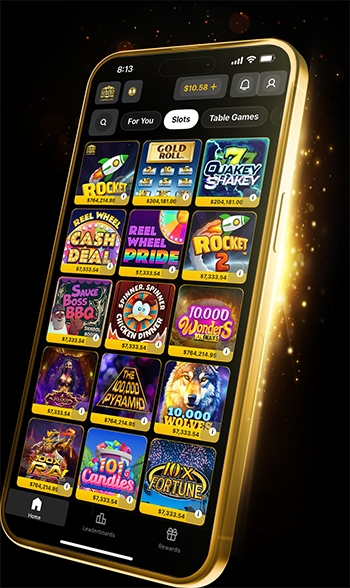
Interface and usability: betting panels, speed controls and accessibility
Betting panels and speed controls
The betting panel is where the pace of a live table is set, and its layout matters more than the video quality. Parimatch Casino places the wager options below the stream so the cards or wheel stay visible while you confirm stakes. The key trade-off is speed versus confirmation: most tables offer a countdown timer that shortens as rounds progress. A fast timer feels brisk but leaves less time to check your stake or correct a mis-click. The interface usually lets you place a bet during the betting phase, then blocks changes once the dealer begins the action. If you prefer control, look for a panel that shows your active chips, the table minimum and maximum, and a clear undo or reset option. Some panels also remember your last stake, which saves taps but can lead to accidental repetition if your bankroll has changed.
Speed controls appear on some tables as a playback or round-speed selector, letting you watch the previous hand faster or slow down the pace. This is a genuine advantage over RNG tables, where the outcome is instant and there is no intermediate state to observe. In a live setting, the delay between your bet and the dealer’s turn is the space where usability shows itself. A well-designed panel keeps the same buttons in the same place across roulette, blackjack and baccarat, so muscle memory works instead of forcing you to hunt for the chip values each hand.
Accessibility and on-screen information
A readable panel also depends on contrast and the amount of information shown at once. Too many betting areas crowd the screen and make it hard to tell which chip sits on which spot, especially on a smaller phone display. Parimatch Casino typically allows the viewer to adjust the stream size, which changes how much of the betting grid fits in view. If the text is small, increase the window instead of zooming the whole browser, which often blurs the dealer’s cards. Most modern panels support landscape mode on mobile and a full-screen toggle for the video feed, giving the table more room while keeping the controls docked at the bottom.
For players who need larger text or higher contrast, check the device or browser accessibility settings before starting playing. Some interfaces inherit system font scaling, but others lock their typography, so a setting that helps elsewhere may not affect the betting panel. If a particular control is hard to reach or a button does not respond to a tap, the first thing to verify is the stream connection and your browser’s zoom level instead of assuming the feature is broken.
Casino free spins no deposit game restrictions
Frequently asked questions about live dealer games
Why does a round end before I have placed a bet?
The dealer’s clock runs independently of your screen. If your request arrives even a second after the betting window, the table records it as too late. Use the speed control or the auto‑bet option so your wager is submitted before the dealer calls for the next round.
Can I play live dealer games on a mobile connection without the stream cutting?
Yes. The stream adjusts its resolution as your connection changes, so a slow Wi‑Fi signal or a mobile data drop does not force you to wait for a fresh round. Betting decisions still count as soon as they leave your device before the table closes, but the video may stutter while the game continues.
Do camera switches or a new game show affect my existing bets?
No. Your stake stays valid on the table you are playing, whether you switch to a different camera angle or jump into a bonus wheel segment. Only a change of game table or a new round resets what you have bet.
Keep your play within limits
A dealer dealing cards faster than you expect is a common reason to break a budget at parimatch casino. The safeguards behind that table are statutory. Players must be 18, and the UK Gambling Commission regulates the operator. Gamstop covers self-exclusion across many UK casinos at once. For advice, GamCare and BeGambleAware run the National Gambling Helpline on 0808 8020 133. The live experience does not slow down for a bad beat, so pre-set your deposit and session limits before logging on. If you feel the urge to chase, stop and use those limits instead of raising the next stake.